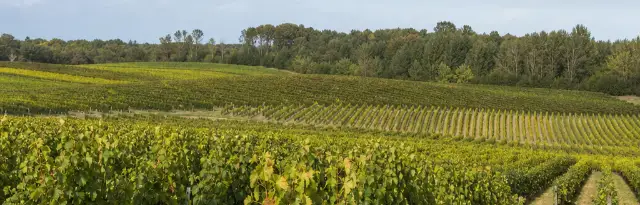
Samogitia, in western Lithuania, is not a major historic wine region in the classical European sense, but it is attracting growing interest in the world of Baltic wine. Its cool climate, shaped by the influence of the Baltic Sea, creates demanding conditions for grape growing: short growing seasons, harsh winters, and ripeness that can sometimes be difficult to achieve. These constraints naturally steer production toward cold-hardy grape varieties and light, lively, aromatic wine styles.
Viticulture remains limited and is still developing, driven by passionate producers experimenting with new practices suited to the local terroir. The varied soils, often sandy or clay-rich depending on the area, can produce different expressions, even though the region’s wine identity is still taking shape. The area is home mainly to small estates, more focused on artisanal quality than on large volumes.
For wine lovers managing their cellar, wines from Samogitia are above all a regional curiosity and an opening onto the emerging vineyards of Northern Europe. They are worth following for their originality, rarity, and their ability to illustrate the evolution of wine in climate zones that are still largely unexpected.