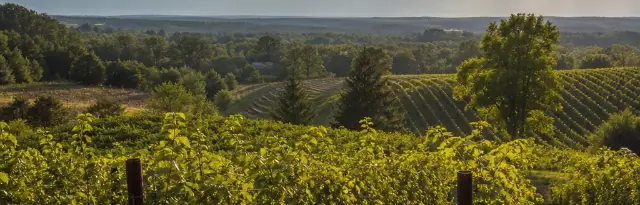
The Dzūkija region, located in southeastern Lithuania, is not recognized as a major wine-producing area in the classic European sense, but it is drawing growing interest from curious enthusiasts of local and artisanal products. Its continental climate, marked by harsh winters and relatively short summers, greatly limits traditional grape growing. As a result, wine production remains limited and often experimental, driven by small producers, family initiatives, or diversified agricultural projects. In this context, the wines made in Dzūkija often come from cold-hardy grape varieties or are part of a broader tradition of fermenting fruits and berries, which is deeply rooted in the Baltic countries. For a wine cellar manager, Dzūkija therefore represents more of a discovery region than an internationally established origin. It may appeal to collectors interested in emerging terroirs, micro-productions, and original expressions from northern Europe. Exploring this region means opening the door to a still discreet wine culture, yet one that reveals the evolution of viticulture in climatic zones long considered difficult.