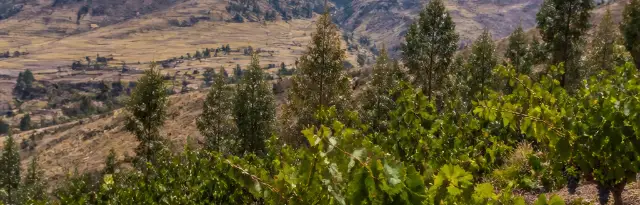
The Potosí region in Bolivia is not recognized as a major international wine region, but it holds particular appeal for curious enthusiasts interested in rare, high-altitude terroirs. Located in the southwest of the country, this area is defined by spectacular Andean landscapes, a dry climate, intense sunshine, and significant temperature swings between day and night. These extreme conditions can encourage slow grape ripening and good preservation of acidity, both of which are desirable in the production of expressive wines. Bolivian viticulture is more commonly associated with other parts of the country, but Potosí belongs to a mountain farming culture where altitude plays a decisive role. Production remains limited and often artisanal, focused more on experimentation or local consumption than on broad export markets. For a wine cellar manager, wines connected to regions like Potosí can represent original bottles that help diversify a collection with unusual references. They are likely to appeal most to enthusiasts seeking discovery, authenticity, and profiles shaped by exceptional growing conditions.