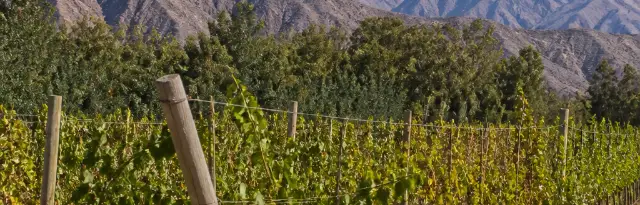
The La Paz region in Bolivia has not historically been considered one of South America’s major wine hubs, but it holds a distinctive place within the Andean landscape. Located at high altitude, in a mountainous environment marked by significant diurnal temperature variation, it benefits from unique climatic conditions that influence vine growing. Sunny days promote grape ripening, while cool nights help preserve vibrant acidity, a key element in the balance of the wines.
Bolivian viticulture is more commonly associated with other parts of the country, but La Paz contributes to the nation’s wine identity through its exceptional geographic setting and its proximity to high-altitude terroirs. The soils, often poor and well-drained, can support limited but expressive production, where aromatic concentration is frequently brought to the forefront.
For wine enthusiasts, La Paz is above all a region to explore through the lens of Andean viticulture and the challenges associated with high-altitude farming. It reflects the diversity of Bolivia’s wine landscape, still little known internationally, yet rich in original potential for curious collectors looking to broaden their cellar with rare and distinctive profiles.