In summer, wine has two enemies: heat, which damages it in storage, and serving temperature, which can spoil it in the glass. A bottle stored above 25 °C ages quickly and loses its fruit; a lukewarm rosé tastes heavy, and a red served at 28 °C tastes alcoholic. This guide covers how to keep your wines in good shape all summer, chill them without harming them, and choose what to open.
The essentials
- During hot spells, keep wines in the coolest, most stable place in your home, without moving them around.
- Serve rosés and dry whites between 8 and 12 °C, and light reds around 14 °C, never at room temperature.
- A bucket of water, ice and a handful of salt chills a bottle in 15 minutes.
- Most rosés are best drunk within a year or two, not stored for the long term.
How can you protect your wine during hot weather?
Above 20 °C for weeks at a time, wine develops faster than expected; above 25 °C, it can take on a cooked taste and the cork may begin to push out. An underground cellar or a wine fridge will get through summer without a problem. The risk is to bottles stored in a closet, pantry or garage.
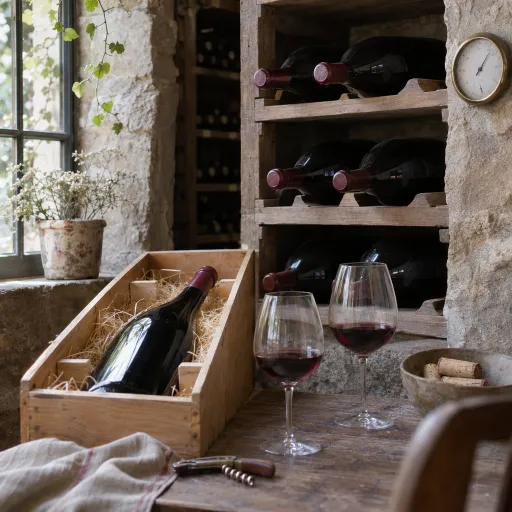
During a heat wave, gather your wines in the coolest room, as close to the floor as possible and away from south-facing walls. Close the shutters during the day and open them at night if the air is cooler. Don't move bottles from place to place with every change in temperature: repeated fluctuations do more damage than a slightly elevated but stable temperature. Find all the storage guidelines in our wine storage guide.
What should you do with your bottles while on vacation?
Before leaving, put wines intended for aging somewhere cool and dark, and leave them undisturbed. Avoid taking them with you: in a car trunk in direct sunlight, temperatures quickly exceed 50 °C, and a few hours are enough to damage a wine. If you bring bottles back from a winery, carry them in the air-conditioned passenger compartment, in a cooler, and let them rest for a few days before opening.
WITH VINIOU A wine expert’s guidance, effortlessly AI-powered tasting, storage, and aging advice.What temperature should you serve wine in summer?
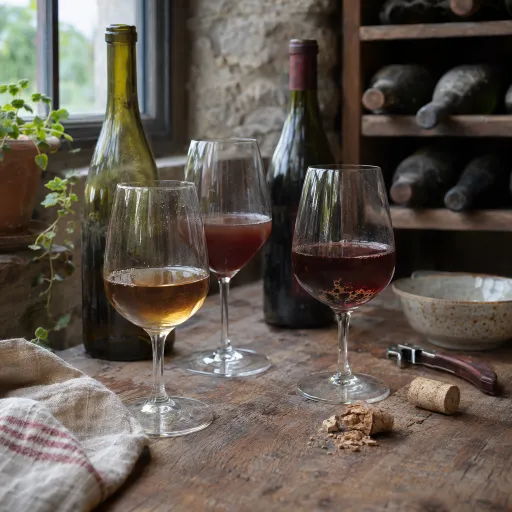
In summer, room temperature is never right for wine. Wine also warms up in the glass, so serve it a little cooler than your target temperature. It will reach it within a few minutes.
| Wine | Serving temperature | Examples |
|---|---|---|
| Sparkling wines | 6 to 8 °C | Champagne, crémants |
| Rosés | 8 to 10 °C | Provence, Tavel, Bandol rosé |
| Crisp dry whites | 8 to 10 °C | Muscadet, Sancerre, Picpoul de Pinet |
| Full-bodied or oaked whites | 10 to 12 °C | Meursault, Condrieu |
| Light, fruity reds | 13 to 14 °C | Beaujolais, Saumur-Champigny, pinot noir |
| Structured reds | 16 to 17 °C | Bordeaux, Côtes-du-Rhône |
How can you chill a bottle quickly?
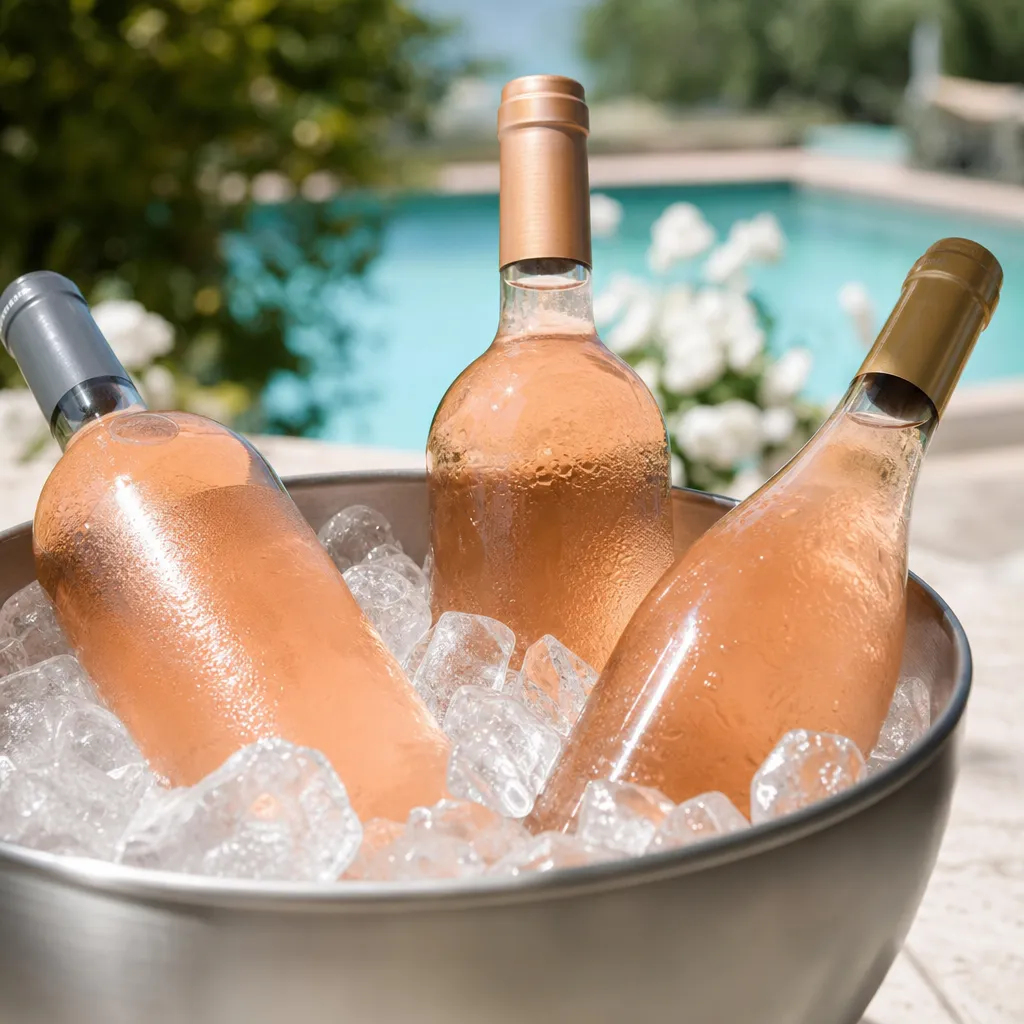
The most effective method is a bucket of water and ice with a handful of coarse salt: submerge the bottle up to its neck and its temperature will drop by about 10 degrees in 15 minutes. That's much faster than the refrigerator, which takes about two hours for a white or rosé. The freezer works too, for 20 to 30 minutes at most, but a forgotten bottle can burst.
Ice cubes in the glass will cool a simple rosé for an aperitif, but they dilute the wine. Save this approach for light, easy-drinking bottles, never a fine wine.
How long should you keep a rosé?
Most rosés are made to be drunk young, within a year or two of the vintage, when their fruit and freshness are at their best. A few rosés made for aging, such as Tavel or Bandol, can be kept for three to five years. There's no need to stock up on cases of rosé for several summers: buy in spring what you'll drink during the warm season.
Once opened, a bottle of rosé or white wine will keep for two to three days in the refrigerator, recorked. After that, the fruit fades and the wine oxidizes.
What wines should you open in summer, and what should you serve with them?
Summer calls for fresh, easy-drinking wines: dry rosés, crisp whites, sparkling wines and light reds served cool. At a barbecue, a Provence rosé pairs with grilled fish and vegetables, while a slightly chilled Beaujolais or Saumur-Champigny goes very well with lamb chops and sausages. Save powerful, tannic reds for fall: at 30 °C, they quickly become tiring to drink.
To find a wine in your cellar that goes with your meal, Viniou's food and wine pairings search among your own bottles, while its storage tips remind you how to keep each wine and at what temperature to serve it.
By Arnaud Cariou, founder of Viniou
Article written on 7/5/2026
· Updated on 11/22/2026