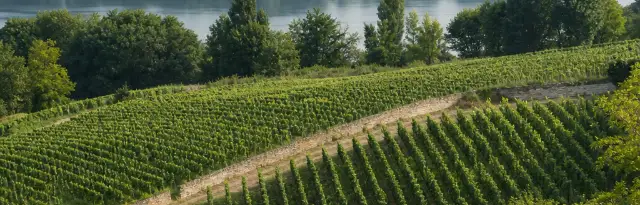
The Île-de-France wine region, located around Paris, has a long and often overlooked history. As early as the Middle Ages, its vineyards played an important role in supplying the capital. Although viticulture nearly disappeared with urbanization, industrial growth, and competition from other French regions, Île-de-France is now experiencing a quiet but noteworthy revival for wine lovers and cellar managers interested in heritage. Production remains limited, often driven by estates, associations, or municipal projects committed to promoting local value. The region mainly produces wines from grape varieties such as Chardonnay, Pinot Noir, and Sauvignon, along with older varieties being brought back into focus depending on the terroir. The degraded oceanic climate and varied soils do not favor large-scale production, but they do allow for the crafting of original cuvées, often in small batches. For a wine cellar, wines from Île-de-France are of particular cultural, historical, and exploratory interest. They appeal to collectors and enthusiasts seeking unusual, local, and rare bottles, valued more for their distinctiveness and strong sense of place than for long-term cellaring potential.