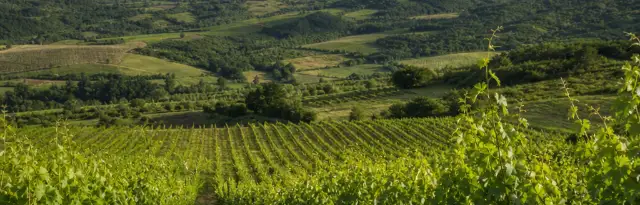
Bulgaria is one of Europe’s oldest wine-producing countries, with a winemaking tradition dating back to the time of the Thracians. Shaped by continental, Mediterranean, and Black Sea influences, it offers a wide diversity of terroirs well suited to producing a broad range of wines. The country benefits from varied soils—clay-limestone, sandy, and silty—and a climate favorable to viticulture, with hot summers and distinct winters. Bulgaria produces both full-bodied red wines and fresh, aromatic whites. Its emblematic grape varieties include Mavrud, Melnik, Rubin, and Dimyat, alongside international varieties such as Cabernet Sauvignon, Merlot, and Chardonnay. The main wine-growing areas are spread across the Danubian Plain, the Thracian Valley, the Black Sea region, the Struma Valley, and the foothills of the Balkan Mountains. For wine cellar management enthusiasts, Bulgarian wines represent an excellent opportunity for discovery: often affordably priced, they can offer outstanding quality-to-pleasure value, with distinctive profiles and noteworthy aging potential depending on the cuvée.