In summer, wine has two enemies: heat, which damages it in storage, and serving temperature, which can compromise it in the glass. A bottle stored above 25 °C ages quickly and loses its fruit; a lukewarm rosé seems heavy, while a red served at 28 °C tastes overly alcoholic. This guide covers how to keep your wines in good shape all summer, chill them gently, and decide what to open.
The essentials
- During hot spells, keep wines in the coolest, most temperature-stable place in your home, without moving them around.
- Serve rosés and dry whites between 8 and 12 °C and light reds around 14 °C, never at room temperature.
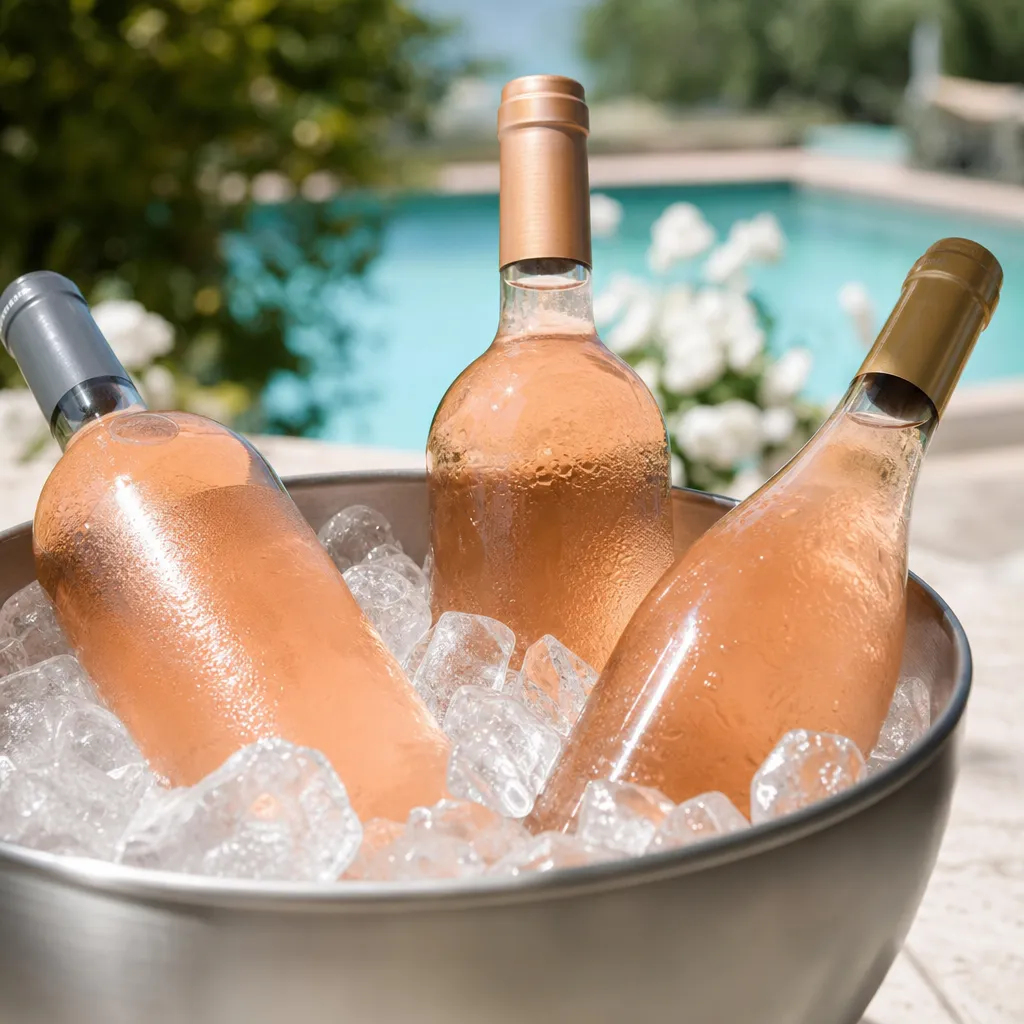
- A bucket of water, ice, and a handful of salt chills a bottle in 15 minutes.
- Most rosés are meant to be drunk within a year or two, not cellared.
How can you protect your wine during hot spells?
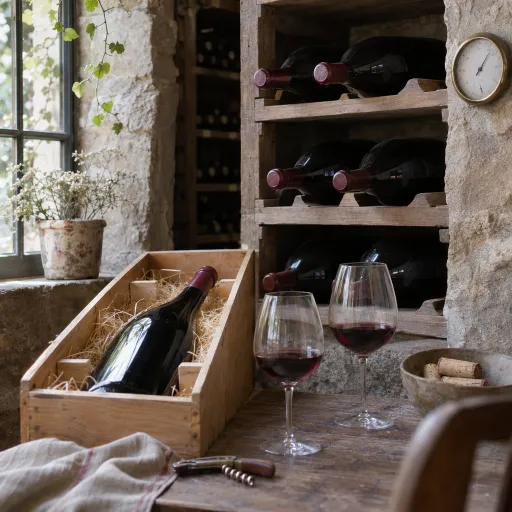
When temperatures stay above 20 °C for weeks, wine develops faster than expected; above 25 °C, it can take on a cooked flavor, and the cork may start to push out. An underground cellar or a wine fridge will get your wines through the summer without trouble. Bottles stored in a closet, pantry, or garage are at risk.
During a heat wave, gather your wines in the coolest room, as close to the floor as possible and away from south-facing walls. Keep the shutters closed during the day and open them at night if the air is cooler. Don't move bottles from place to place with every temperature change: repeated fluctuations do more damage than a slightly high but stable temperature. Find all the storage guidelines in our wine storage guide.
What should you do with your bottles while you're on vacation?
Before you leave, put wines intended for aging somewhere cool and dark, and leave them undisturbed. Avoid taking them with you: in a car trunk under the sun, the temperature can quickly exceed 50 °C, and a few hours are enough to damage a wine. If you're bringing bottles back from a winery, travel with them in a cooler in the air-conditioned passenger compartment, and let them rest for a few days before opening them.
WITH VINIOU A wine expert’s guidance, effortlessly AI-powered tasting, storage, and aging advice.What temperature should you serve wine in summer?
In summer, room temperature is never the right temperature. Wine also warms up in the glass, so serve it a little cooler than your target and it will reach it within a few minutes.
| Wine | Serving temperature | Examples |
|---|---|---|
| Sparkling wines | 6 to 8 °C | Champagne, crémants |
| Rosés | 8 to 10 °C | Provence, Tavel, Bandol rosé |
| Crisp dry whites | 8 to 10 °C | Muscadet, Sancerre, Picpoul de Pinet |
| Round or oaked whites | 10 to 12 °C | Meursault, Condrieu |
| Light, fruity reds | 13 to 14 °C | Beaujolais, Saumur-Champigny, pinot noir |
| Structured reds | 16 to 17 °C | Bordeaux, Côtes-du-Rhône |
How can you chill a bottle quickly?
The most effective method is a bucket of water and ice with a handful of coarse salt: immerse the bottle up to its neck and its temperature will drop by about 10 degrees in 15 minutes. That's much faster than the refrigerator, which takes about two hours for a white or rosé. The freezer works too, for 20 to 30 minutes at most, but a forgotten bottle can burst.
Ice cubes in the glass will cool a simple rosé for an apéritif, but they dilute the wine. Save them for light bottles, never a fine wine.
How long should you keep a rosé?
Most rosés are made to be drunk young, within a year or two of the vintage, when their fruit and freshness are at their best. A few age-worthy rosés, such as Tavel or Bandol, can be kept for three to five years. There's no need to stock up on cases of rosé for several summers: buy in spring what you'll drink during the warm season.
Once opened, a bottle of rosé or white will keep for two to three days in the refrigerator, recorked. After that, the fruit fades and the wine oxidizes.
Which wines should you open in summer, and what should you pair them with?
Summer calls for fresh, easy-drinking wines: dry rosés, crisp whites, sparkling wines, and light reds served cool. At a barbecue, a Provence rosé pairs with grilled fish and vegetables, while a lightly chilled Beaujolais or Saumur-Champigny goes very well with lamb chops and sausages. Save powerful, tannic reds for fall: at 30 °C, they quickly become tiring to drink.
To find a wine in your cellar that goes with your dish, Viniou's food and wine pairings search among your own bottles, while its storage advice reminds you how to keep each wine and what temperature to serve it at.
Article written on 7/5/2026 · Updated on 11/21/2026