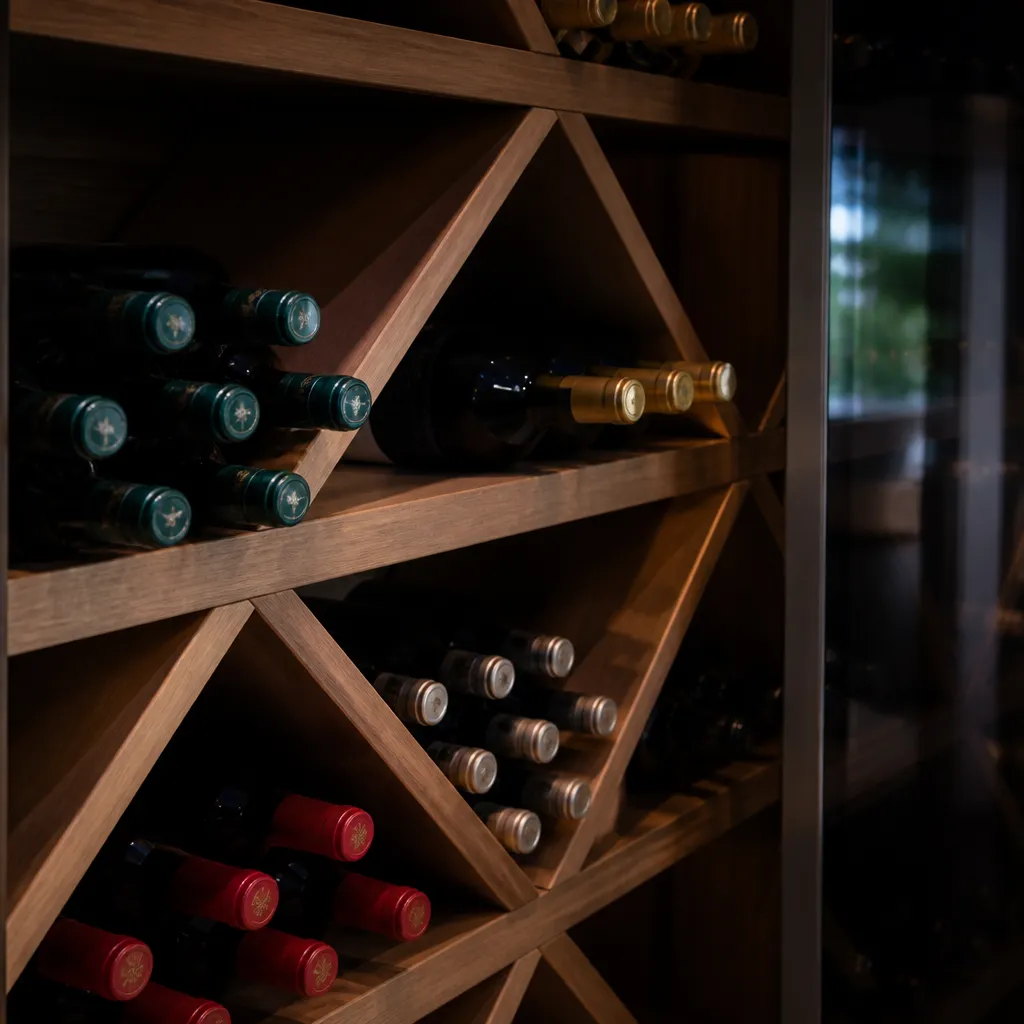
August heatwaves can put your wine at real risk, even over just a few days. When temperatures rise too high, wine expands inside the bottle, which can push against the cork and let in unwanted oxygen. We often think of heat as only affecting long-term storage, but sudden spikes can also damage aromas, flatten flavors, and speed up aging far too quickly. You may notice seepage, a raised cork, or simply a bottle that no longer tastes as it should. Whether you are storing everyday bottles or treasured vintages, protecting them from summer heat is essential. By understanding why August is such a critical month, you can take simple steps to keep your collection safe and your wines true to their character.
Summer heat can affect every wine lover, but some collectors need to be especially careful in August. If you keep bottles in a kitchen, garage, attic, or any room without stable temperature control, your wines are more exposed to sudden heat spikes. We should also pay close attention if we store sparkling wines, older vintages, or delicate whites and rosés, as they can react faster to poor conditions. And if you have recently started building a collection, you may not yet notice the warning signs of heat damage. Whether you own a few favorite bottles or manage a growing cellar, you can protect your wines more effectively by understanding which situations carry the highest risk during a heatwave.
Most wines are happiest when stored at a steady temperature of around 55°F (13°C). We recommend thinking of this as the safe middle ground: cool enough to slow aging, but not so cold that the wine loses its balance over time. If the temperature rises too high, especially during August heatwaves, the wine can expand, push against the cork, and age faster than intended. For you, the real priority is consistency. A bottle kept at a stable 55°F to 59°F (13°C to 15°C) will usually fare much better than one exposed to frequent swings between hot days and cooler nights. Whether you are storing reds, whites, or sparkling wines, maintaining a calm, even environment is one of the best ways we can protect their aromas, structure, and long-term quality.
When temperatures rise, the wine inside the bottle starts to change faster than it should. Heat speeds up chemical reactions, which can flatten aromas, dull fresh fruit notes, and make the wine taste tired before its time. We also need to remember that wine expands as it warms. If the bottle gets too hot, the liquid can push against the cork, weakening the seal and letting small amounts of oxygen in. That extra oxygen may then accelerate oxidation, giving the wine cooked, faded, or unbalanced flavors. For you, this means that even a few hot days in August can affect both young bottles and age-worthy wines. In short, stable, cool storage helps protect everything you love about the bottle.
During August heatwaves, a wine that has suffered from heat often gives clear warning signs if we know what to look for. You may notice the cork pushing slightly out of the bottle, which happens when the liquid expands under high temperatures. Leaking wine, sticky residue around the neck, or a capsule that looks raised are also common clues. In the glass, heat-damaged wine can seem flat, with dull fruit aromas, stewed notes, or an unusually oxidized smell. The color may also appear more brown than expected, especially in white wines. If you taste it, the wine may feel tired, unbalanced, or lack freshness. By spotting these signs early, you can better protect the healthy bottles still resting in your cellar.
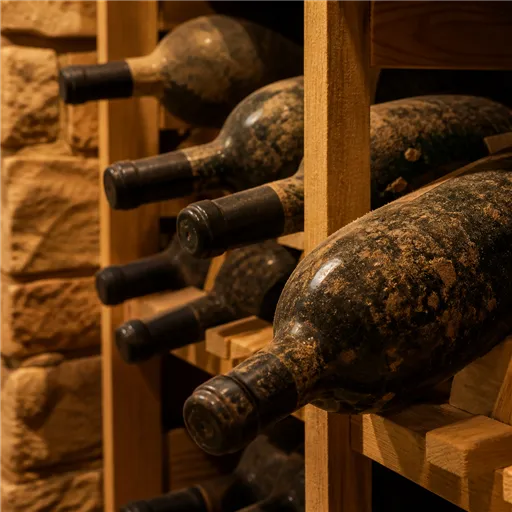
During August heatwaves, we recommend placing your bottles in the coolest and darkest area available in your home. You can choose a basement, an interior closet, or a room away from direct sunlight, radiators, and kitchen appliances. Heat speeds up wine aging and can quickly damage its balance, while light may alter delicate aromas over time. If you do not have a wine cellar, focus on finding a space with the most stable temperature possible, even if it is not perfect. We also suggest keeping bottles low to the ground, where temperatures are often slightly cooler. By taking a few simple precautions, you can help your wines stay protected until conditions improve.
During August heatwaves, we need to protect wine not only from high temperatures, but also from sudden swings. When a bottle warms up quickly and then cools down again, the liquid expands and contracts, which can weaken the cork and speed up aging. You can avoid this by keeping your bottles in the most stable place available, away from windows, radiators, kitchens, or any room that heats up during the day and cools sharply at night. If you use a wine fridge, resist the urge to change the setting too often. We recommend aiming for consistency rather than perfection. Even a slightly cool, steady environment is better than dramatic daily changes. By staying attentive to stability, you help your wines preserve their balance, aromas, and aging potential.
During August heatwaves, bottle position and humidity matter more than many wine lovers realize. We recommend storing bottles horizontally whenever they have a cork, as this helps keep the cork in contact with the wine and reduces the risk of it drying out. If the cork shrinks, warm air can enter the bottle and accelerate oxidation. Humidity also plays an important role: ideally, you should aim for around 60% to 70%. If the air is too dry, corks may crack; if it is too damp, labels and boxes can suffer. We can keep things simple by checking your storage space regularly and using a small hygrometer to monitor conditions. With the right balance, you help your wines stay protected, stable, and ready to enjoy later.
During August heatwaves, we recommend moving your bottles as little as possible. Every unnecessary handling can disturb the wine, especially when temperatures are already putting it under stress. Frequent movement may also cause small temperature fluctuations, vibrations, or changes in humidity around the bottle, all of which can affect long-term aging. If you need to check your collection, try to plan ahead and group tasks together rather than opening your storage space several times a day. We also suggest keeping your bottles in their usual position and avoiding transport unless absolutely necessary. By limiting movement during very hot periods, you help your wines stay stable, protected, and closer to the conditions they need to preserve their balance and character.
If you do not have a professional cellar, a wine fridge is one of the safest ways to protect your bottles during August heatwaves. We recommend choosing a model that keeps a stable temperature, ideally around 12–14°C, because sudden changes are often more harmful to wine than a slightly imperfect setting. You should also place the fridge away from direct sunlight, ovens, or any source of vibration, so it can work efficiently all summer long. If your collection includes both reds and whites, a dual-zone wine fridge can make storage even easier. With a simple, reliable setup, you can keep your wines in much better condition at home and enjoy greater peace of mind when temperatures rise.
If you live in an apartment or have limited room, we can still protect your wine during August heatwaves without a professional cellar. You can choose the coolest, darkest spot in your home, such as a closet, an interior wall cabinet, or a space away from windows and appliances. We recommend keeping bottles low to the ground, where temperatures are often more stable, and storing them horizontally if they have corks. You can also use insulated storage boxes or a small wine fridge for extra protection during the hottest days. Avoid kitchens, balconies, and garages, where heat rises quickly. With a few smart adjustments, you can give your bottles a safer environment and preserve their quality all summer long.
In August, the biggest mistake we can make is leaving wine in the most convenient spot rather than the most stable one. Kitchens often seem practical, but heat from ovens, sunlight, and daily temperature swings can quickly damage bottles. Garages are also risky, especially in summer, because they can become far hotter than the rest of the house. As for balconies, even shaded ones expose wine to heat spikes, light, and outdoor fluctuations that accelerate aging. If you do not have a professional cellar, we recommend choosing the coolest, darkest room possible, away from windows and appliances. You can also store bottles low to the ground, where temperatures are usually more stable. By avoiding these common locations, you give your wine a much better chance of staying fresh and balanced.
When extreme heat strikes or a power outage shuts down your wine fridge, we need to act quickly to limit temperature spikes. First, keep the door closed as much as possible to preserve the cool air already inside. If the room is heating up, move your bottles to the coolest, darkest place in your home, such as a basement, interior closet, or shaded tiled floor. You can also group bottles together, as larger thermal mass helps slow sudden warming. Avoid placing wine near windows, appliances, or exterior walls exposed to the sun. If needed, we can use insulated boxes or wrap bottles in thick towels to create a temporary buffer against heat. The goal is not to chill the wine fast, but to protect it from sharp and repeated temperature changes.
Wine can usually handle a short temperature spike without immediate damage, especially if the bottle stays closed and the heat lasts only a few hours. In most cases, we should start worrying when temperatures rise above 77°F (25°C), and the risk becomes much higher once bottles sit near 86°F (30°C) for longer periods. You should remember that duration matters as much as temperature: a brief afternoon of warmth is very different from several days in a hot room. If a heatwave or power outage happens, don’t panic or move bottles around too much. We recommend keeping them in the coolest, darkest place available and checking for warning signs later, such as pushed corks, seepage, or unusual aromas. In short, a few hours of heat may be manageable, but repeated or prolonged exposure can age wine too quickly.
If a bottle has been exposed to extreme heat for several hours or gone through repeated temperature swings during a power outage, it is often wiser to enjoy it sooner rather than save it for long-term aging. Heat can speed up a wine’s evolution, soften its freshness, and sometimes flatten its aromas, even when no visible damage appears on the cork or capsule. We recommend keeping an eye on bottles you suspect were affected and moving them to a stable, cool place as quickly as possible. If the wine was meant for near-term drinking, you can simply bring it forward in your plans. You may still find it enjoyable, but it is best not to rely on it for future cellaring. When in doubt, trust your storage notes and taste before deciding.
During August heatwaves, knowing exactly what is in your cellar becomes more than a convenience—it helps you protect every bottle. When temperatures rise, we need to identify the most fragile wines quickly, such as older vintages, sparkling wines, or bottles meant for near-term drinking. With clear inventory visibility, you can avoid unnecessary handling, limit the time your cellar stays open, and move sensitive bottles only when truly needed. You also gain a better view of drink windows, storage locations, and stock levels, which makes summer decisions faster and safer. Whether you are managing a small collection or a full cellar, an up-to-date inventory helps you stay calm, act early, and keep your wines in the best possible condition.
During August heatwaves, organizing your bottles by drinking window and fragility helps us protect the wines that need the most attention. We recommend placing bottles meant for near-term drinking at the front, so you can access them quickly without disturbing the rest of your cellar. More delicate wines—such as older vintages, light reds, sparkling wines, and whites with lower aging potential—should be identified clearly in your inventory. This makes it easier for you to monitor them during temperature spikes and decide whether they should be enjoyed sooner. By contrast, sturdier wines with stronger tannins, acidity, or structure can usually handle short summer fluctuations a little better. With a well-organized cellar list, you gain a clearer view of priorities and reduce the risk of opening or moving bottles unnecessarily in hot weather.
During August heatwaves, keeping a clear view of your cellar becomes essential. With Viniou, we make wine management simpler and more reliable, even in the hottest weeks of summer. You can track every bottle, organize your collection by location, vintage, or drinking window, and quickly spot which wines may need extra attention if temperatures rise. We also help you avoid costly mistakes by giving you a better overview of stock levels and ideal rotation. For you, this means less guesswork and more control. Whether you are just starting your collection or already managing a serious cellar, Viniou helps you stay organized, protect your wines, and optimize storage conditions with confidence all summer long.
Throughout August heatwaves, a few simple habits can make all the difference for your bottles. We recommend checking the room temperature regularly, keeping your wines away from direct sunlight, and avoiding sudden moves between hot and cool spaces. If possible, store bottles low to the ground, where temperatures are often more stable, and limit how often you open the storage area during the hottest hours. You can also plan ahead by organizing your collection so everyday bottles stay easy to reach. With these small routines, you help protect aromas, balance, and ageing potential all summer long. Whether you are just starting out or already managing a full cellar, we can all keep our wines safer with a little attention and consistency.
August heatwaves can put even a well-organized collection at risk, but you do not have to manage it alone. With Viniou, we help you keep a smarter eye on your wine cellar and make better decisions when temperatures rise. You can track your bottles, organize storage conditions, and keep a clear view of what needs extra attention during hot weather. Whether you are just starting your collection or already managing a full cellar, Viniou makes wine storage simpler, safer, and more intuitive. We give you the tools to stay organized, protect your wines, and enjoy greater peace of mind all summer long. Download Viniou and give your bottles the care they deserve.

