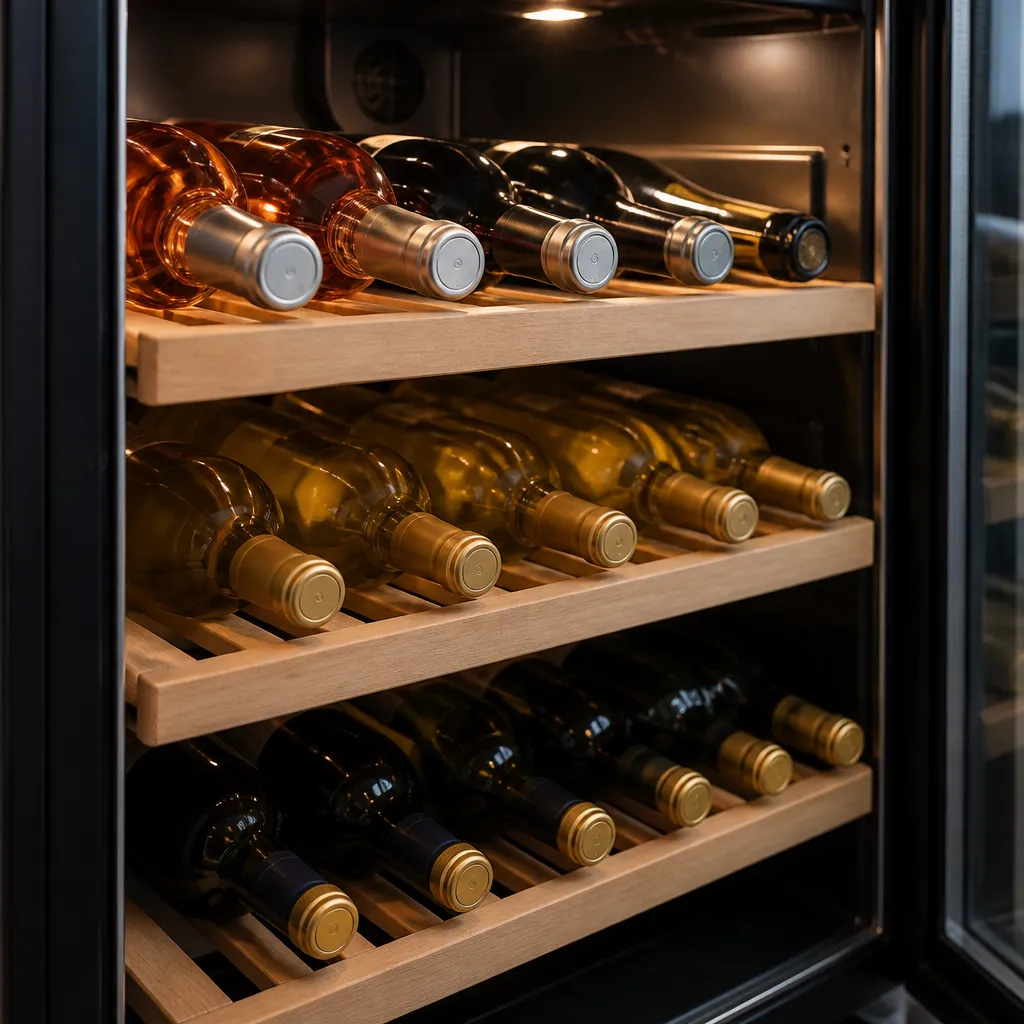
Summer heat is more than a comfort issue for wine—it can quietly damage both flavor and aging potential. When bottles are exposed to high or fluctuating temperatures, the wine expands, the cork can weaken, and oxygen may enter too quickly. We often think a few hot days are harmless, but repeated heat stress can flatten aromas, dull freshness, and speed up aging in the wrong way. You may not notice the effects immediately, yet the wine can lose balance long before you open it. Whether you are storing everyday bottles or long-term treasures, keeping them cool and stable is essential. In summer, protecting your wine is not just about serving it at the right temperature—it is about preserving everything that makes it worth aging.
When summer temperatures rise, keeping your bottles cool becomes essential, but not at the expense of their future. We often think a quick chill is harmless, yet repeated temperature swings can disturb a wine’s natural aging process and weaken its balance over time. The good news is that you do not have to choose between serving wine at the right temperature and preserving its potential. By understanding how heat, light, and sudden cooling affect the bottle, you can make smarter decisions for both everyday enjoyment and long-term storage. Whether you are opening a fresh white tonight or protecting a treasured red for years to come, we will help you keep your wines cool in a way that respects their evolution.
When we talk about aging wine well, temperature is one of the most important factors to control. Ideally, you should store your bottles at a steady temperature of around 55°F (13°C), with only very small fluctuations over time. We often think heat is the main danger in summer, and that is true, but sudden changes can be just as harmful. If wine gets too warm, it ages faster than intended, which can flatten aromas and upset its balance. If temperatures rise and fall too often, the liquid expands and contracts, putting stress on the cork and increasing the risk of oxidation. To protect your collection, we recommend focusing on consistency rather than chasing extreme cold. A cool, stable environment will always help your wines develop more gracefully.
Heat may seem harmless over a few summer days, but inside the bottle, it speeds up the chemical reactions that shape your wine’s evolution. When temperatures rise too high, aromas can fade faster, fresh fruit notes may turn into cooked flavors, and the balance between acidity, alcohol, and tannins can shift sooner than expected. We can think of heat as pressing fast-forward on the aging process: your wine develops more quickly, but not always in a graceful way. You may also notice a loss of precision, with less vibrant character and a shorter aging potential. If you want to protect both pleasure and longevity, keeping your bottles at a stable, moderate temperature is one of the simplest and most effective habits to adopt during summer.
We often worry about a wine cellar getting too warm in summer, but sudden temperature swings can be even more damaging than steady heat. When wine repeatedly warms up during the day and cools down at night, the liquid and the air inside the bottle expand and contract. Over time, this movement can stress the cork, weaken the seal, and let tiny amounts of oxygen in. That is when aromas fade faster and aging becomes less predictable. A bottle kept at a stable, slightly warm temperature usually ages more safely than one exposed to constant ups and downs. If You want to protect Your wines, We recommend focusing first on stability. In summer, consistency is often just as important as keeping the temperature low.
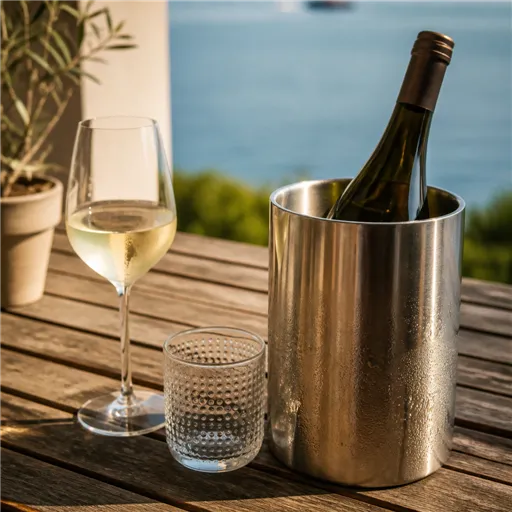
If you want to keep your summer wines cool without putting their aging potential at risk, a wine cellar or wine fridge is one of the safest solutions. We recommend stable conditions above all: sudden temperature changes can tire a wine much faster than a slightly warm room. With a dedicated storage space, you give your bottles a consistent environment, usually between 10 and 14°C, along with proper humidity and protection from light. This is especially helpful if you enjoy keeping white, rosé, sparkling, or even lighter reds ready for the season. If you do not have a natural cellar, a quality wine fridge lets you protect both wines for near-term drinking and bottles you plan to age. You get peace of mind, and your wines stay fresher, balanced, and more expressive.
We often think heat is the main enemy of summer wines, but direct sunlight can be just as damaging. If you want to preserve freshness and aging potential, keep your bottles away from sunny windows, conservatories, kitchens, or any room that heats up quickly during the day. UV rays and repeated temperature spikes can accelerate premature aging and alter delicate aromas. A simple habit can make a big difference: store bottles in a shaded, consistently cool space, even temporarily, rather than leaving them exposed on a countertop or dining table. If you do not have a wine cellar, choose an interior cupboard, a dark storage area, or an insulated wine cabinet. By protecting your wines from light and hot rooms, you help them stay balanced, expressive, and ready to age gracefully.
One of the simplest ways to protect your wines in summer is to improve both insulation and airflow in your storage space. We often focus on temperature alone, but sudden heat spikes and trapped warm air can be just as harmful to long-term aging. You can help by insulating doors, sealing small gaps, and keeping your bottles away from direct sunlight or warm exterior walls. At the same time, gentle air circulation prevents hot pockets from forming and keeps conditions more stable overall. If you use a wine room, cellar, or even a dedicated closet, make sure the space can breathe without becoming drafty. With a well-insulated and properly ventilated area, you give your wines a calmer, more consistent environment to mature gracefully.
We often reach for the kitchen refrigerator when summer temperatures rise, but it is not a good long-term home for wines you hope to age well. Most household fridges are simply too cold, usually around 35 to 40°F, which can slow a wine’s natural development and dull its aromas over time. They also create a very dry environment that may shrink corks, letting unwanted air enter the bottle. Add to that constant vibrations from the compressor and frequent door openings, and your wine is exposed to repeated small shocks and temperature changes. If you want to preserve both freshness and aging potential, we recommend using the kitchen fridge only for short-term chilling before service, not for extended storage.
When the temperature rises, it can be tempting to chill a bottle quickly with an ice bucket, the freezer, or any rapid-cooling trick. But if you care about aging, these methods can do more harm than good. Sudden temperature swings stress the wine, disturb its balance, and may even affect how aromas and structure evolve over time. We also risk pushing the bottle too cold, which mutes flavors and can dry out the cork if repeated often. In the freezer, pressure changes become even more risky, especially for sparkling wines. If you want to protect both freshness and future potential, it is better to cool wine gradually and keep storage conditions as stable as possible. Your bottles will thank you later.
We often focus on temperature, but air humidity matters just as much when you want your wines to age well. If a cooling method creates an excessively dry environment, natural corks can slowly shrink and lose their seal. That allows more oxygen to enter the bottle, which can speed up oxidation and alter the wine’s balance, aromas, and aging potential. You may think a colder, drier space feels safer in summer, but for long-term storage, it can do more harm than good. We recommend avoiding overly dry refrigerators, direct air conditioning, or improvised cooling setups that strip moisture from the air. You should aim for a stable environment where both temperature and humidity stay within a wine-friendly range, helping each bottle evolve as intended.
When serving summer wines, temperature makes all the difference. We recommend keeping white and rosé wines between 45 and 55°F, depending on their style, while sparkling wines are best enjoyed a little colder, around 40 to 45°F. If a bottle is too warm, its freshness fades and the alcohol can feel heavier. Too cold, and you may lose delicate aromas and texture. To keep things simple, you can chill bottles in the fridge for a short time before serving, then use an ice bucket with water and ice to maintain the right balance. We also suggest avoiding long exposure to direct sun or extreme cold, especially for bottles you plan to finish later. This way, you enjoy every glass at its best without putting the wine under unnecessary stress.
In warm weather, an opened bottle of summer wine will usually stay fresh for 1 to 3 days, depending on the style and how well you protect it from heat and air. We recommend recorking it right away and placing it in the fridge, even for reds meant to be served slightly cool. You will notice that crisp whites, rosés, and sparkling wines tend to lose their bright aromas fastest when left out on a warm table. If you want to enjoy the bottle over another meal, try using a vacuum stopper or sparkling wine closure to slow oxidation. We also suggest pouring only what you need and returning the bottle to a cool place between glasses. That way, you keep the wine lively, refreshing, and much closer to its original character.
In summer, a few simple habits can help you enjoy wine at its best without putting the rest of the bottle at risk. We recommend serving only what you plan to drink and returning the bottle to a cool place straight away, rather than leaving it on the table in the sun or heat. You can also use an insulated sleeve or an ice bucket with water and ice for short-term chilling, but avoid sudden temperature shocks that may dull aromas. If a bottle is already opened, seal it well and store it upright in the fridge to slow oxidation. For ready-to-drink wines, keeping a steady, moderate temperature matters more than over-chilling. With these everyday reflexes, you can preserve freshness, protect flavour, and make every summer glass more enjoyable.
During a heatwave, we cannot rely on guesswork to protect your wines. You need simple, accurate tools to track what is happening in your cellar: a reliable thermometer, a hygrometer, or even a connected sensor that sends alerts to your phone. This helps you spot sudden temperature spikes and humidity drops before they affect corks, labels, or the wine’s aging potential. We recommend checking readings regularly, especially in rooms that warm up quickly during the day. If possible, place sensors at different heights, since conditions can vary within the same space. With the right monitoring setup, you can react early, keep your summer bottles stable, and preserve the slow, balanced maturation that fine wines need.
During a heatwave, not every bottle in your cellar faces the same level of risk. We recommend starting with the most fragile wines: older vintages, natural wines with lower sulphite levels, delicate sparkling wines, and bottles already close to their ideal drinking window. You should also pay close attention to wines stored near doors, walls, or upper shelves, where temperatures can rise faster. By identifying these vulnerable bottles first, you can monitor them more closely, move them to a more stable area if needed, and avoid unnecessary stress on wines meant to age gracefully. With a clear inventory and regular temperature checks, we can protect the bottles that need the most care without disrupting the balance of your entire collection.
Building a seasonal wine storage routine helps us stay one step ahead when summer temperatures rise. You can start by checking your cellar or wine fridge more often during heatwaves, ideally at the same time each day, to spot unusual temperature swings early. We also recommend reviewing bottle placement: keep your most fragile or age-worthy wines in the coolest, most stable area. If needed, limit how often you open the door, since repeated exposure to warm air can disturb long-term aging conditions. You may also want to track humidity and ventilation, as both play an important role in preserving corks and protecting wine quality. With a simple routine in place, you can protect your collection more confidently all summer long without compromising its aging potential.
Keeping your summer wines at the right temperature is only part of protecting their future. With Viniou, we help you stay in control of your entire collection, from everyday bottles to long-term treasures. You can track storage conditions, organize your cellar clearly, and monitor each wine’s ideal drinking window without losing sight of its aging potential. Whether you are just starting your wine journey or already managing a serious collection, Viniou gives you a simple way to make better decisions all year round. By knowing exactly what you own and how it should be stored, you reduce risks, avoid costly mistakes, and enjoy every bottle at its best. With the right tools, preserving and enjoying wine becomes easier for all of us.

