
Rosé wine may feel like the perfect summer companion, but warm weather can quickly dull the very qualities you enjoy most. Its bright fruit, crisp acidity, and delicate floral notes are especially sensitive to heat, light, and sudden temperature changes. In summer, even a few hours in a hot room, on a sunny kitchen counter, or in a car can speed up aging and flatten its freshness. That is why rosé deserves a little extra attention during the hottest months. Whether you are saving a special bottle or simply want every glass to taste as vibrant as it should, we can help you understand the risks and adopt the right storage habits. With a few simple steps, you can protect your rosé and enjoy it at its best.
In summer, a few common storage mistakes can quickly rob rosé wine of its bright fruit, crisp texture, and refreshing charm. We often think a cool kitchen corner or a quick stay in the freezer is enough, but heat, sudden temperature changes, and direct sunlight can age a bottle far too fast. You may also be tempted to keep rosé in the fridge for weeks, yet overly dry conditions and constant door opening can affect its balance over time. Another frequent mistake is storing bottles upright for too long, which may dry out the cork and let in unwanted air. By paying attention to these simple details, we can help every bottle keep the freshness and delicate aromas that make rosé so enjoyable in warm weather.
To keep your rosé fresh, lively, and aromatic during summer, we recommend storing it at a stable temperature between 10°C and 12°C (50°F to 54°F). This range helps preserve its delicate fruit notes, crisp acidity, and overall balance. If the temperature rises too much, your wine can age too quickly and lose the vibrant character that makes rosé so enjoyable. If it becomes too cold, its aromas may feel muted and less expressive. We also want to avoid sudden temperature changes, as they can stress the wine and affect its quality over time. If you do not have a wine cellar, a wine fridge is often the safest solution. With the right temperature, you give your rosé the best chance to stay bright, refreshing, and ready to enjoy all summer long.
Temperature is crucial, but in summer, light, humidity, and vibrations can also affect the freshness of your rosé. We recommend keeping bottles away from direct sunlight and strong artificial light, as UV rays can speed up aging and dull delicate aromas. Humidity matters too: ideally, it should stay around 60 to 70% to help protect corks from drying out, which can let air into the bottle. Vibrations are often overlooked, yet frequent movement may disturb the wine’s natural balance over time. If you want your rosé to stay bright, crisp, and expressive, choose a calm, dark, and slightly humid storage space. With the right conditions, you give every bottle the best chance to shine when summer aperitif time arrives.
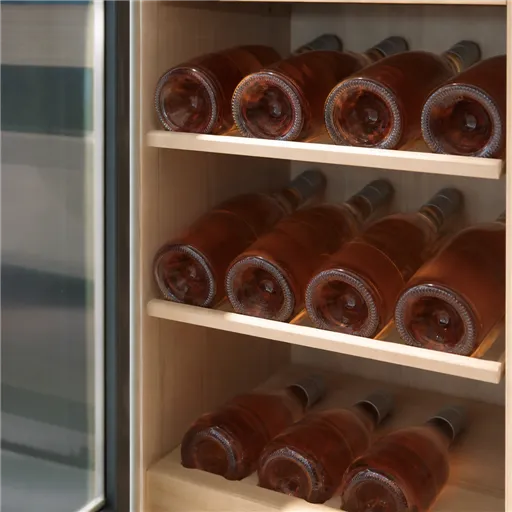
To keep your rosé fresh and vibrant during summer, we recommend choosing a place that is cool, stable, and protected from light. Heat is one of the biggest enemies of wine: if the temperature rises too high or changes too often, your rosé can lose its bright aromas and crisp character. You should ideally store bottles in a space that stays consistently cool, such as a cellar, a temperature-controlled wine fridge, or a shaded interior closet away from appliances. Darkness also matters, because direct sunlight and strong artificial light can damage the wine over time. If we want to preserve those delicate fruit notes and refreshing acidity, a calm environment with no sudden heat spikes is always the safest choice.
When summer heat pushes room temperature above a safe range, a wine fridge becomes one of the best ways to protect your rosé. We recommend storing rosé between 45 and 55°F (7 to 13°C) to help preserve its freshness, bright fruit, and crisp finish. Unlike a standard kitchen fridge, a wine fridge offers more stable conditions and avoids excessive cold that can dull aromas over time. If you enjoy keeping a few bottles ready to drink, it also lets you serve rosé at the ideal temperature without repeated warming and cooling. For beginners and collectors alike, this simple solution gives you better control during hot weather and helps every bottle stay closer to its original style.
In summer, bottle position matters more than many wine lovers realize. For short-term storage, you can keep rosé bottles standing upright if you plan to enjoy them within a few weeks. This helps limit the wine’s contact with the cork and makes bottles easier to access in your wine fridge or cellar. For longer-term storage, however, we recommend laying bottles horizontally, especially if they use natural cork. This helps keep the cork moist, preventing it from drying out, shrinking, and letting air into the bottle. You should also avoid moving bottles too often during hot weather, as vibration and repeated handling can affect wine stability. By choosing the right position based on how long you plan to store your rosé, you help preserve its freshness, bright fruit, and delicate summer character.
In summer, transporting rosé wine safely is just as important as storing it correctly at home. We recommend keeping bottles away from direct sunlight and never leaving them in a hot car, even for a short stop. Heat can quickly dull the wine’s fresh aromas and lively character. If you are driving back from a wine shop, place the bottles in the coolest part of the car, ideally in the trunk if it stays shaded, or use an insulated wine bag with a cold pack wrapped in cloth. We also suggest limiting travel time whenever possible. Once you arrive, move the bottles indoors without delay and let them rest before chilling or serving. With a few simple precautions, you can help your rosé keep all its crisp summer charm.
To keep rosé bright and refreshing, we recommend chilling it gradually rather than leaving it for hours in the freezer. In most cases, 2 to 3 hours in the refrigerator is enough to bring a rosé to its ideal serving temperature, usually around 8 to 12°C (46 to 54°F). If you are short on time, 20 to 30 minutes in an ice bucket with water and ice works better than over-chilling it. When rosé gets too cold, its delicate fruit aromas can become muted and the texture may feel less expressive. We want freshness, not numbness. Once chilled, you can keep the bottle cool in a sleeve or ice bucket while serving, especially on hot summer days. This way, you preserve both the lively character and the balance of your wine.
To keep your rosé crisp and vibrant in summer, serving temperature matters just as much as storage. We recommend aiming for 8 to 12°C (46 to 54°F), depending on the style: lighter, fruit-forward rosés shine at the cooler end, while fuller-bodied bottles can be served slightly warmer to reveal more aroma. You can chill the bottle in the fridge for about two hours, then let it rest a few minutes before pouring. Avoid overchilling, as very cold wine can mute its delicate notes and flatten the tasting experience. If you are serving outdoors, use an ice bucket with water and ice to maintain a steady temperature. This way, you preserve the wine’s freshness from the first glass to the last.
Most rosé wines are crafted for early drinking, which means they are best enjoyed within one to three years of release. We usually recommend drinking fresh, fruit-driven styles—such as Provence rosé, Pinot Grigio rosé, or many young Grenache-based blends—as soon as possible to keep their bright aromas, crisp acidity, and delicate berry or citrus notes intact. Unlike structured red wines, these rosés are not designed to improve with long aging. In summer, this matters even more, because heat can quickly dull their freshness. If you want to enjoy rosé at its best, you should focus on recent vintages and store bottles in a cool, stable, and dark place. This way, you preserve the lively character that makes rosé so refreshing.
Even when stored with care, a rosé can lose its freshness over time. We suggest paying attention to a few clear warning signs before serving it. If the color has shifted from a bright pink to a dull orange or copper shade, this often means the wine is past its best. On the nose, fresh aromas of strawberry, citrus, or flowers may fade and be replaced by notes that feel flat, cooked, or slightly vinegary. On the palate, you may notice less vibrancy, weaker fruit, and a shorter finish. If the wine tastes heavy instead of crisp, its summer charm has likely faded. By learning to spot these changes, you can decide more easily whether a bottle is still enjoyable or no longer worth keeping.
We often think summer wine storage is only about temperature, but keeping a clear eye on your inventory also plays a major role in preserving the freshness of rosé wines. When you know exactly which bottles you have, where they are stored, and how long they have been resting, you avoid leaving a delicate rosé in less-than-ideal conditions for too long. You can also spot which bottles should be enjoyed first, before heat, light, or repeated movement affect their balance and aromas. With a tool like Viniou, you can track both your bottles and their storage conditions more easily. This helps you make better decisions, reduce waste, and enjoy each rosé at its best. In short, monitoring your inventory means giving every bottle the attention it deserves.
To keep your rosé wines fresh all summer long, we recommend using Viniou to manage your cellar more easily and with greater peace of mind. With the app, you can track each bottle, note its ideal drinking window, and monitor the storage conditions that matter most during hot weather. You can quickly see which rosés should be enjoyed first and avoid exposing them to unnecessary temperature changes. We designed Viniou to help you stay organized without making wine management feel complicated. Whether you are just starting your collection or already have a well-stocked cellar, you can access your inventory anytime and make smarter decisions for every bottle. In summer, a simple tool can make a real difference in preserving the bright, refreshing character of your rosé.
Keeping your rosé fresh all summer long often comes down to a few simple habits. We recommend storing bottles in a cool, stable, and dark place, away from direct sunlight, kitchen heat, or frequent temperature swings. If you plan to enjoy a bottle soon, chill it gently in the fridge a few hours before serving rather than leaving it in the freezer. Once opened, seal it well and keep it refrigerated to preserve its bright fruit, crisp texture, and delicate aromas. You can also track ideal drinking windows and storage conditions with a wine cellar app, making it easier to enjoy every bottle at its best. With a little care, you can make sure your rosé stays vibrant, refreshing, and ready for every summer moment.

