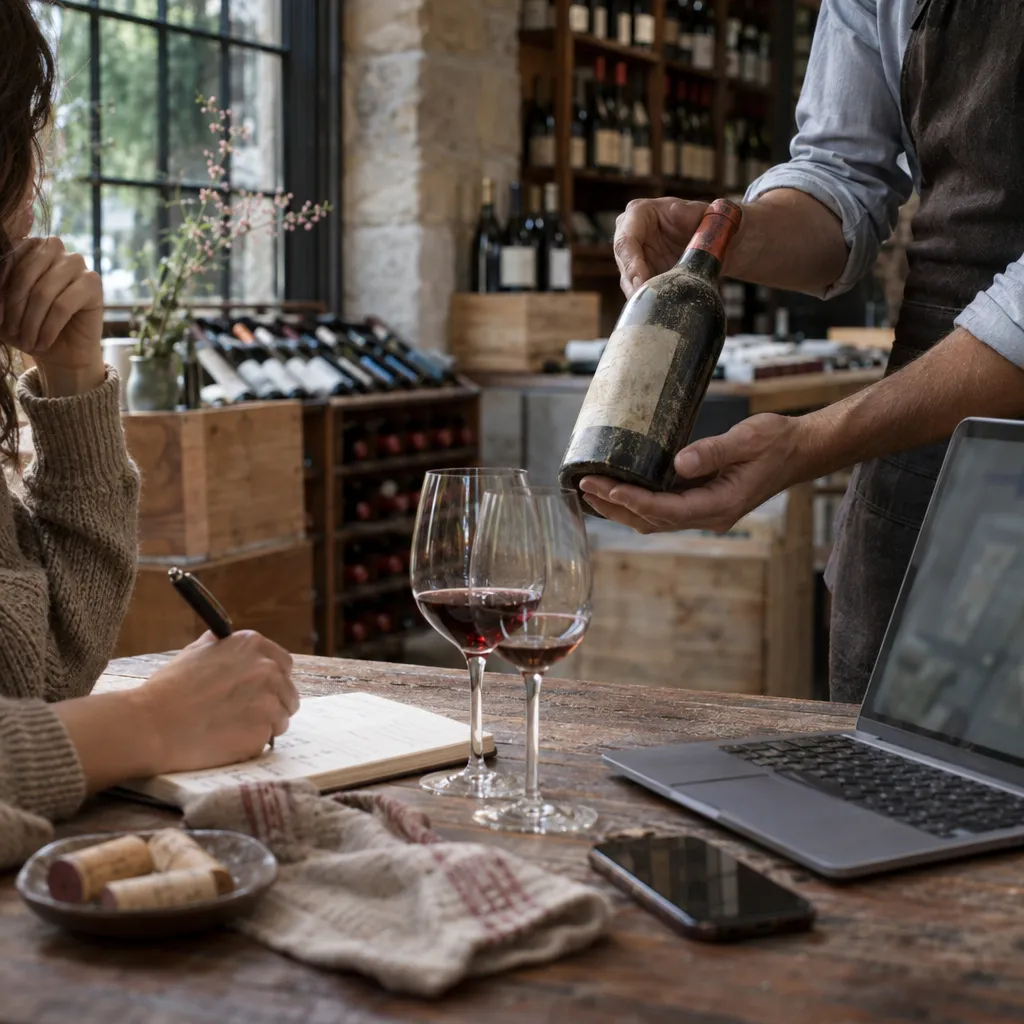
The best place to buy a rare wine is somewhere its history can be traced: directly from the estate, from a wine merchant who knows its provenance, at an auction with an expert, or en primeur through an established wine merchant. Before paying, check the provenance, invoice, fill level, cork, and label, then store the bottle in good conditions and declare it to your insurer.
Key Takeaways
- The fewer hands a bottle has passed through and the better documented its history, the lower the risk.
- At auction, add the buyer's premium to the hammer price, often 20 to 30%.
- The fill level, cork, capsule, and label reveal a bottle's condition and sometimes signs of counterfeiting.
- Keep invoices and photos: they are your evidence for your insurer.
Where Can You Buy Rare Wines?#
Directly from the Estate
This is the most reliable provenance: the bottle has never left the producer's cellar. The most sought-after estates sell by allocation, giving priority to longtime customers. To get on the list, you often need to start with more accessible wines and return each year.
From a Specialist Wine Merchant
A wine merchant who works directly with estates or their distributors can tell you where the bottle came from and how it was stored. A reputable professional should have no difficulty answering this question.
At Auction
Auction houses offer older vintages that are hard to find elsewhere. Read the catalog carefully: it lists the fill level, label condition, whether the original case is included, and sometimes the lot's origin (a private cellar or an estate cellar). Don't forget the buyer's premium, which is added to the hammer price and often reaches 20 to 30%.
En Primeur
Especially in Bordeaux, wines are sold in the spring following the harvest and delivered about two years later. This lets you secure limited quantities at the release price, but you pay for wine you have yet to receive: use a long-established wine merchant or retailer.
From Private Sellers
An old bottle without an invoice, stored under unknown conditions, is always a gamble. Insist on detailed photos and be wary of a seller who can't tell you anything about its history.
WITH VINIOU Know what your wine cellar is really worth The value of each bottle, tracked in real time.How Can You Verify a Bottle's Authenticity and Condition?#
Counterfeiting mainly affects the most expensive wines. No single clue is conclusive: everything must add up.
- Provenance: a bottle kept in a single cellar, with its original invoice, is preferable to a lot that has been resold several times.
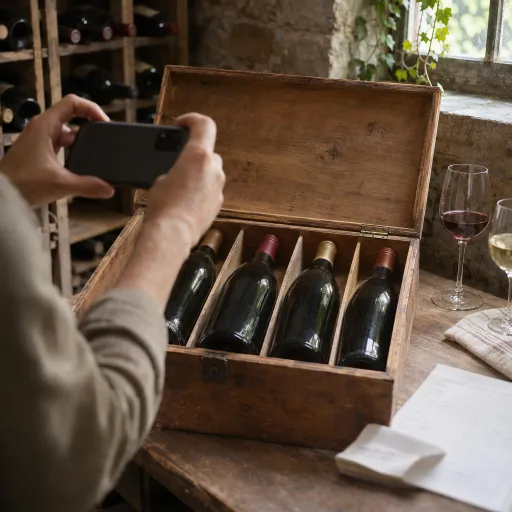
- The original wooden case: a sealed, unopened case is a good sign, especially for top Bordeaux wines.
- Fill level: for a Bordeaux bottle, fill levels are described as into neck, base of neck, high shoulder, or mid-shoulder. A slight drop is normal with age; a level at mid-shoulder or lower usually indicates a cork that has let air in.
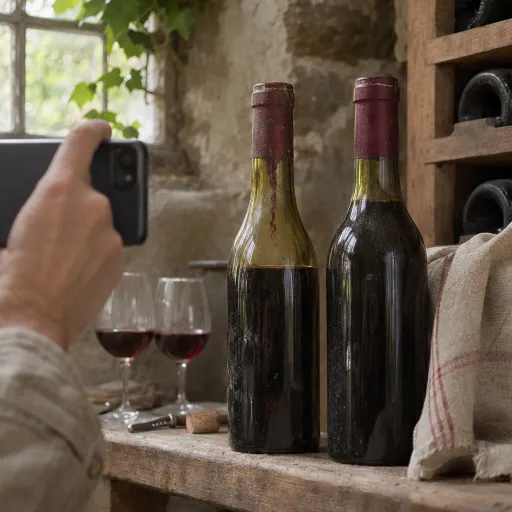
- The cork and capsule: many estates print their name and the vintage on the cork. A capsule that spins too easily, signs of seepage, or a protruding cork should raise concerns.
- The label: check the print quality, typography, and paper. A pristine label on a forty-year-old bottle deserves a closer look.
Also be wary of a price well below market value, or multiple large-format bottles of an old vintage offered without explanation. Signs of a wine damaged by heat or poor storage, such as traces of wine under the capsule or an unusual color, are covered in our article on signs of improperly stored wine.
| Where to Buy | Advantages | What to Watch For |
|---|---|---|
| Estate | Perfect provenance, release price | Limited allocations, waiting lists |
| Specialist wine merchant | Expert advice, possible traceability | Ask where the bottle came from |
| Auction | Older vintages, detailed catalog | Buyer's premium, variable condition |
| En primeur | Release price, reserved quantities | Payment well before delivery |
| Private seller | Sometimes attractive prices | Unknown provenance and storage |
Which Rare Wines Are Worth Buying?#
A rare wine is not always a great wine for aging. If you're buying to open in fifteen or twenty years, first consider the wine's aging potential. Our selection of wines to buy for a long-term collection helps you identify appellations and vintages.
How Should You Store and Insure Your Rare Bottles?#
A valuable bottle needs the same conditions as any other, with less room for error: a stable temperature around 54°F, humidity close to 70%, darkness, and a vibration-free environment. The label also affects resale value; our tips for protecting labels in a wine cellar can help prevent mold or peeling.
When it comes to insurance, a valuable wine cellar should be declared: many homeowners policies limit coverage for valuables, and some insurers require an appraisal above a certain amount.
In Viniou, each bottle has a record with its purchase price, date added, and location, and the estimated value of your cellar and each bottle (Premium) gives you an up-to-date approximate value. It's an estimate, not an appraisal, but it provides a solid starting point for a conversation with your insurer.
To help decide whether to buy a rare wine, you can ask a sommelier assistant.
Before buying a rare wine, take the time to read the wine label before you buy: appellation, vintage, and bottler.
Discover the Viniou app to manage your wine cellar.